The Best Anti-Aging Devices for Sensitive Skin (2026)
If your skin flushes, stings or reacts easily, the right device is the one that delivers results without heat, zaps or harsh products. Here’s how the main technologies compare for sensitive skin, and the devices we’d look at first.
Our publisher, Dalmie LLC, sells Quadthera. We don't earn commissions from other links in this article. Disclosure.
Quick picks
- Best overall for sensitive skin$395 at Omnilux
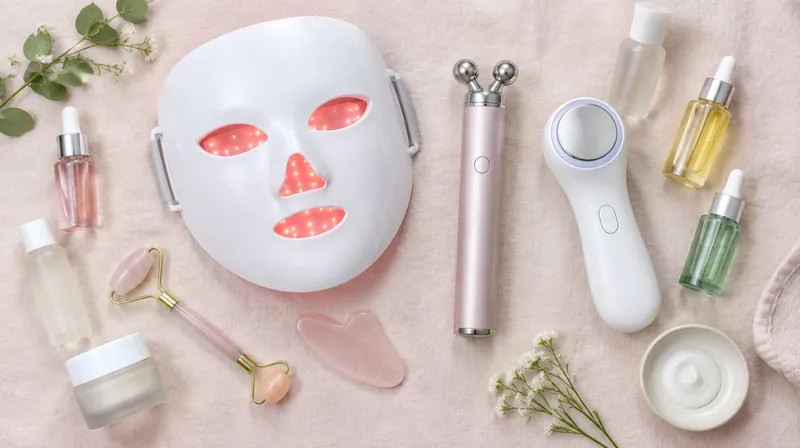
Red + near-infrared LED with a published, moderate output (~30 mW/cm²). Omnilux says it generates no heat or UV. Hands-free, nothing to rub in.
- Best cleared LED mask$469.99 at CurrentBody
Three red/near-infrared wavelengths in a flexible mask with a verified 510(k) (K250966). One preset, so nothing to get wrong.
- Gentlest-feeling handheldDisclosure: GlowLab's publisher, Dalmie LLC, is a US retailer of Quadthera and may earn from sales.$1,100 (includes gel) at Quadthera
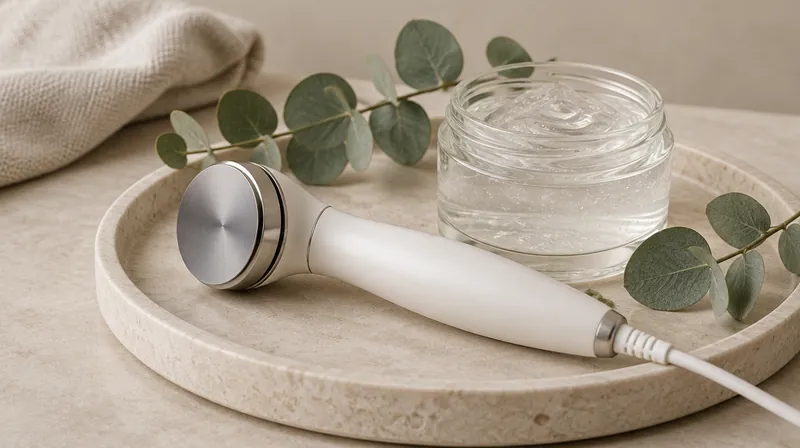
Non-focused ultrasound with no current, light or deliberate heat. The brand points sensitive skin to its Calming mode at Level 1. Expensive; brand-funded study.
- Budget gentle handheld$249 list at THOME
Dual-frequency ultrasound with a dedicated Calming mode, at a quarter of the Titan’s price.
- Best microcurrent for sensitive skinAbout $399 (Target listing, sold by FOREO)
Starts at a low intensity and uses skin-resistance sensing designed to prevent zaps. Use plenty of serum.
A note before we start: almost no device has been studied specifically in people with sensitive skin, rosacea or eczema. So this guide ranks devices on how they work (heat, electrical stimulation, light), how much control you get (low starting settings, timers), and what the brand publishes. It isn’t medical advice. If you have a diagnosed skin condition, talk to your dermatologist first. We haven’t tested these devices hands-on; prices are as of Oct 2026 (checked October 7, 2026).
What makes a device sensitive-skin friendly
- No deliberate heat. Heat is one of the most common rosacea triggers listed by the American Academy of Dermatology (AAD). RF devices work by warming the skin.
- Little or no electrical sensation. Microcurrent and especially EMS can tingle or sting. Gentler devices let you start very low.
- Simple products on the skin. Gels and serums can irritate as much as the device. The AAD advises people with rosacea to avoid alcohol, camphor, fragrance, glycolic and lactic acid, menthol, sodium lauryl sulfate and urea (AAD).
- Control. Low starting intensities, timers and auto-off.
Technologies ranked for gentleness
Disclosure: GlowLab's publisher, Dalmie LLC, is a US retailer of Quadthera and may earn from sales. Learn more.| Technology | Heat? | Sensation | Anti-aging evidence | For sensitive skin |
|---|---|---|---|---|
| LED (red/near-infrared) | Not designed to heat | None to slight warmth | Strongest of home technologies | Good first choice; check light sensitivity and medications |
| Non-focused ultrasound (e.g., Quadthera Titan†, THOME) | Not designed to heat | Usually barely felt | Limited; mostly brand-run | Very gentle; good if you want no light |
| Microcurrent | No | Tingle or zap possible | Limited; temporary effects | OK with low settings and plenty of gel |
| Multi-mode (e.g., Medicube) | No (most modes) | Some modes tingle | Limited | Use gentlest modes; patch-test |
| RF | Yes, by design | Warmth | Moderate | Caution if heat triggers flushing |
| EMS | No | Visible muscle contractions | Limited | Least gentle; usually unnecessary |
† GlowLab's publisher, Dalmie LLC, is a US retailer of Quadthera and may earn from sales.
For the fuller picture, see LED vs microcurrent vs RF vs EMS vs ultrasound.
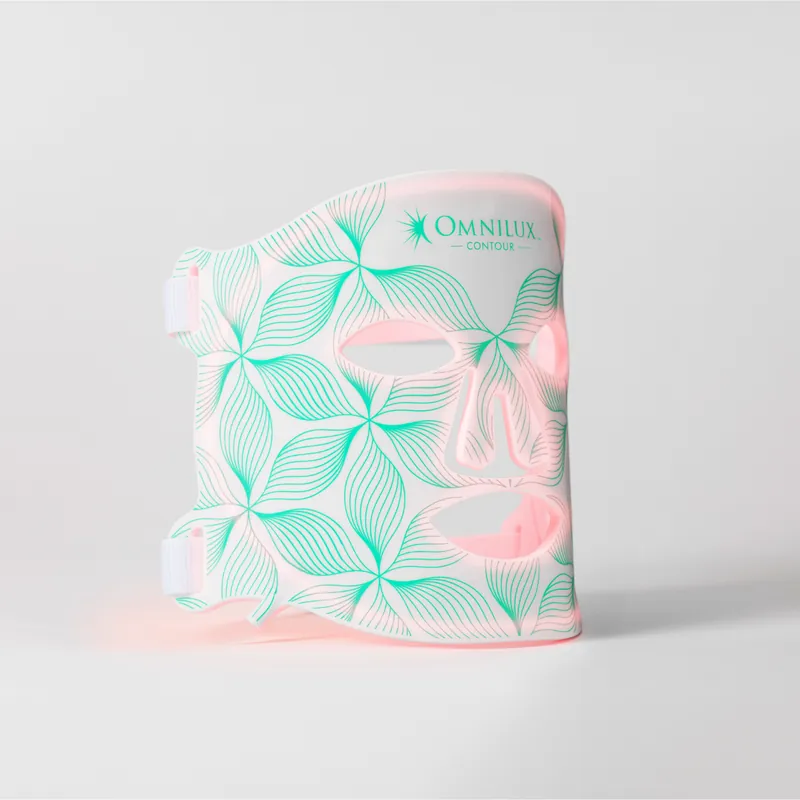
Omnilux Contour Face
- Light
- 633 nm red + 830 nm near-infrared; 132 LEDs; ~30 mW/cm² (Omnilux)
- Routine
- 3–5 times a week for 4–6 weeks, then maintenance
- Regulatory
- Omnilux describes it as FDA-cleared; the page doesn’t name a K-number
- Price
- $395; 2-year warranty
Omnilux says the Contour line generates no heat or UV light, and it publishes contraindications and drug-interaction documents, which is exactly what you want to read first if your skin reacts easily. It also advises caution about combining retinol with light therapy. Its two wavelengths are the best-studied for aging skin, and there’s nothing to rub in or glide.
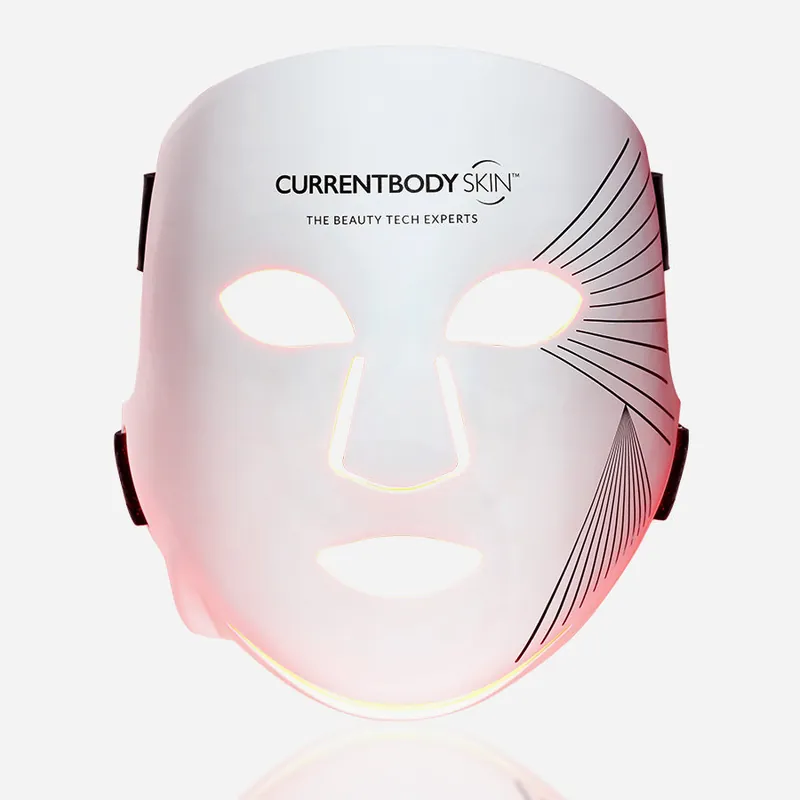
CurrentBody Skin LED Light Therapy Mask: Series 2
- Light
- 633, 830 and 1072 nm; 236 LEDs; 10 minutes, 3–5 times a week
- Regulatory
- FDA 510(k) K250966
- Price
- $469.99
One preset and a verified clearance make this a simple, low-fuss option. If you want more wavelengths, including yellow light that CurrentBody markets for visible redness, the Series 3 ($569.99) has them, but evidence for those extra colors is much thinner. More in our LED mask guide.
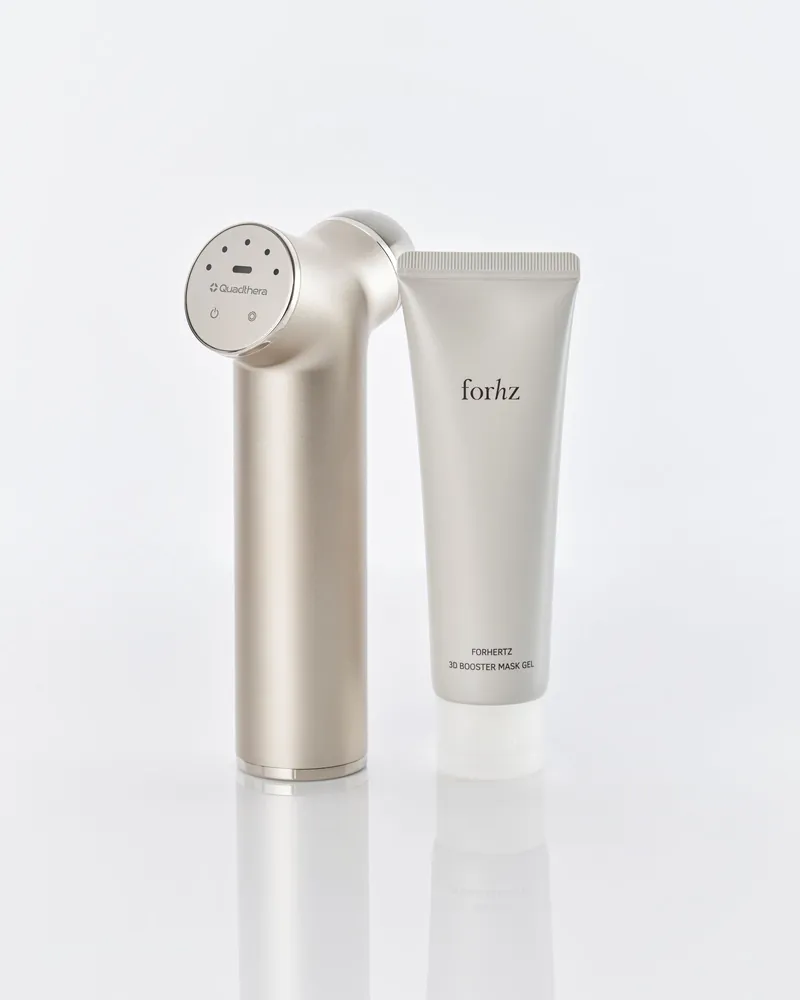
Quadthera Titan
- Technology
- Non-focused ultrasound at 1, 3, 10 and 19 MHz; titanium head; 2 intensity levels
- For sensitive skin
- Quadthera recommends the lower-frequency Calming mode (1·3·10 MHz) at Level 1
- Safety features
- 10-minute auto-off; pauses if held in one spot
- Regulatory
- Class I listing (ISA). Not FDA-cleared
- Price
- $1,100 with gel
The Titan doesn’t pass current through the skin, doesn’t use light and isn’t designed to heat, so it avoids the three things that most often bother reactive skin. It works with any water-based gel, so you can choose a fragrance-free one. The downsides are real: it’s the priciest device here, and its evidence is a small, brand-funded study. If you mainly want proven anti-aging results, an LED mask is the stronger bet; if you want a gentle hands-on ritual without light, the Titan is the most fully specified option we found.
Disclosure: GlowLab's publisher, Dalmie LLC, is a US retailer of Quadthera and may earn from sales.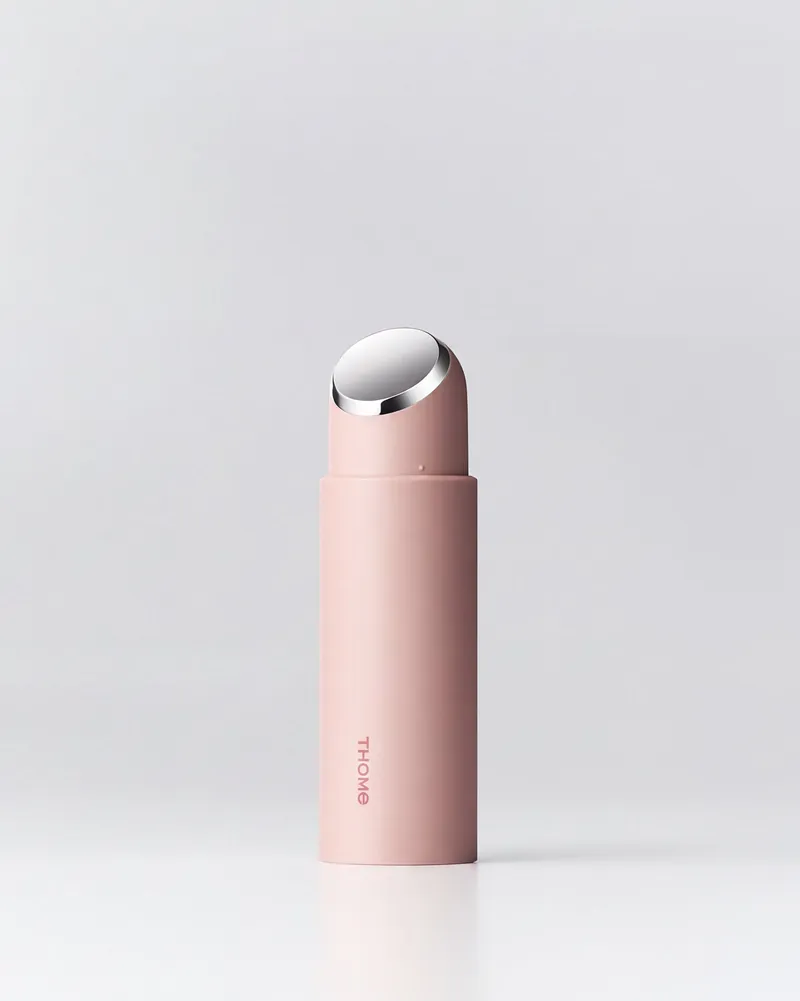
THOME Twenty Up
- Technology
- Non-focused ultrasound, 3 + 10 MHz; Daily/Makeup and Calming modes; about 12 minutes
- Regulatory
- Class I listing (ISA) under EASYTEM Co., Ltd.
- Price
- $249 list
A lower-cost way to try gentle ultrasound, positioned by THOME for reactive-looking, blemish-prone skin. THOME recommends its own ampoules; if your skin is sensitive, check their ingredient lists first.
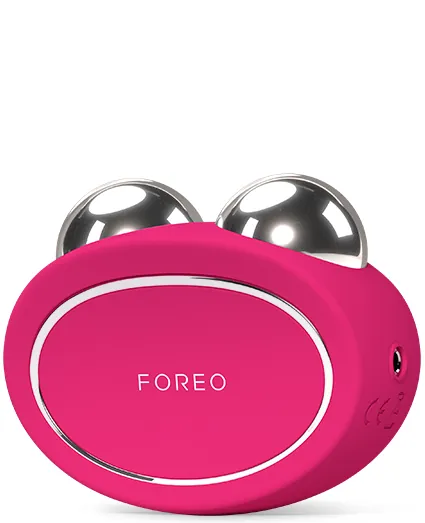
FOREO BEAR 2
- Technology
- Microcurrent with 10 intensity levels (1–5 on the device); “Anti-Shock System” that measures skin resistance and adjusts current
- Regulatory
- Listed in FDA’s device identifier database under NFO; FOREO’s BEAR/BEAR mini clearance is K200803
- Price
- About $399 (Target listing, sold by FOREO)
If you want microcurrent despite reactive skin, a device that starts low and is designed to prevent zaps makes sense. Use a generous layer of a fragrance-free conductive gel or serum. See all options in the best microcurrent devices.
How to start safely
- Check with your dermatologist if you have rosacea, eczema, a recent procedure, or use prescription actives.
- Patch-test: one small area, lowest setting, then wait 24–48 hours.
- Keep products simple: fragrance-free, water-based gels; skip acids and retinoids before sessions unless your clinician says otherwise.
- Start short and infrequent, then build up to the brand’s recommended routine.
- Stop if you feel heat, stinging or see lasting redness.
Frequently asked questions
What’s the gentlest anti-aging device?
Is red light therapy OK for rosacea?
Should people with sensitive skin avoid RF devices?
Can microcurrent irritate sensitive skin?
What gel should I use with a device if my skin is sensitive?
Sources
- AAD: Triggers could be causing your rosacea flare-ups
- AAD: 7 rosacea skin care tips dermatologists recommend
- Omnilux: Contour Face product page and FAQ
- CurrentBody: LED Mask Series 2
- Quadthera Titan product page and FAQ (our publisher, Dalmie LLC, retails Quadthera)
- THOME Twenty Up
- FOREO: BEAR 2 collection page
- ZIIP: HALO product page (contraindications and irritation warning)
- FDA 510(k) database — K250966, K200803 checked via openFDA Oct 7, 2026