The Best Microcurrent Facial Devices (2026)
Microcurrent devices promise a lifted, more sculpted look in minutes a day. We compared NuFACE, ZIIP, FOREO, Therabody and Medicube on technology, controls, FDA records, ongoing costs and price, and we’re clear about what the evidence can and can’t tell you.
Our publisher, Dalmie LLC, sells Quadthera. We don't earn commissions from other links in this article. Disclosure.
Quick picks
- Best overall$395 starter kit at NuFACE
The best-known microcurrent device, with FDA clearance (K201782), three intensities, optional attachments and a 2-year warranty.
- Best compact / first device$250 starter kit at NuFACE
Smaller, cheaper NuFACE with the same basic approach and a simple 5-minute routine.
- Best app-guided device$399.99 at ZIIP
Microcurrent plus nanocurrent with app-delivered treatment programs for different goals. Best if you like guided routines.
- Most adjustable intensityAbout $399 (Target listing, sold by FOREO)
Ten intensity levels, four microcurrent types and FOREO’s “Anti-Shock” skin sensing. Strongest published output here.
- Best multi-tool$419.99 at Therabody
Microcurrent ring (FDA-cleared, K212238) plus percussive massage, cleansing, and optional LED and hot/cold rings.
- Best budget multi-mode$249 ($299 regular) at Medicube
Microcurrent is one of seven modes. Gel-free and affordable, but it isn’t a dedicated, FDA-cleared microcurrent device.
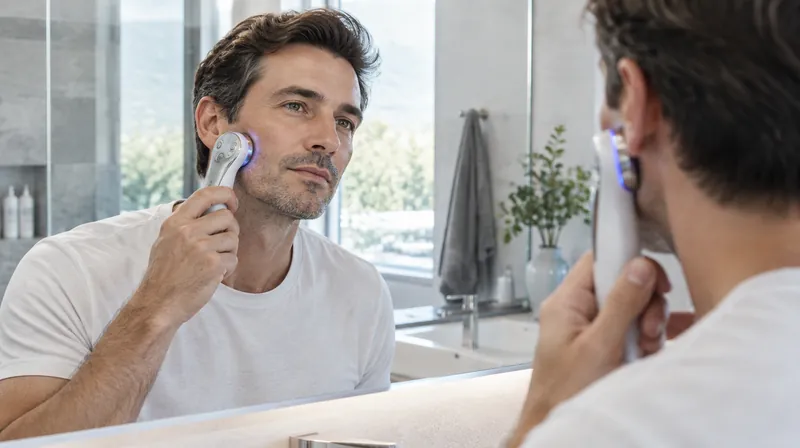
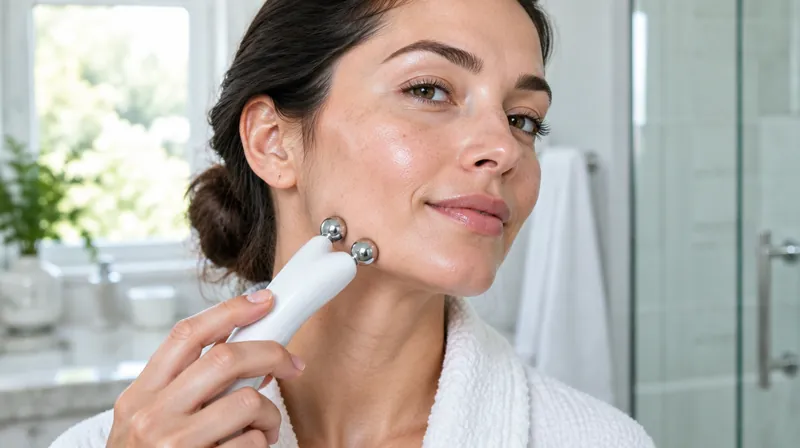
Microcurrent devices pass a very low electrical current, measured in microamps, across the skin through a conductive gel. You glide them along the jaw, cheeks and brow. The usual promise is a lifted, firmer, more defined look. Users often see a visible but temporary change right after a session, and brands say regular use builds on it. The independent evidence for long-term change is limited, so we judge these devices mainly on how well they’re made and documented, how easy they are to use consistently, and what they really cost.
We haven’t tested these devices hands-on yet. This guide uses brand specifications, FDA records we looked up, published reviews and research, and price (price as of Oct 2026, checked October 7, 2026).
Comparison table
| Device | Technology | Intensity / programs | Routine (brand guidance) | Conductive medium | FDA status (our check) | Price seen |
|---|---|---|---|---|---|---|
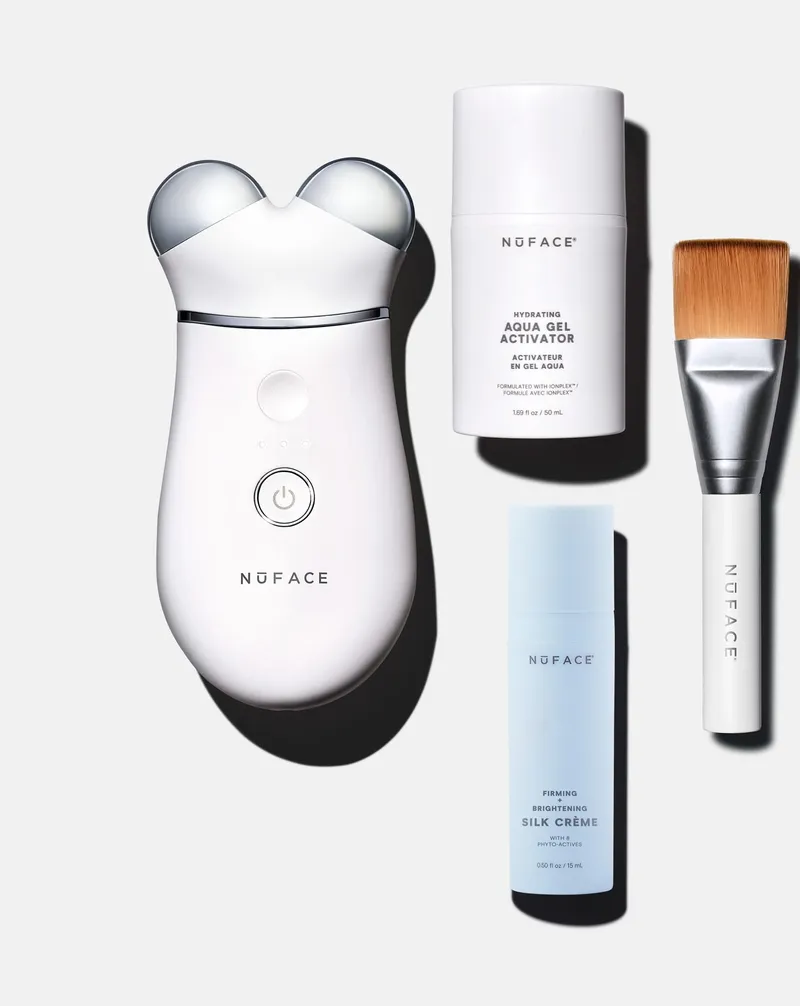 Image: NuFACENuFACE TRINITY+ Image: NuFACENuFACE TRINITY+ | Microcurrent; swappable attachments | 3 intensities; app routines | A few minutes daily (brand) | Gel “activator” required (included) | 510(k) K201782 | $395 kit; $595 complete set |
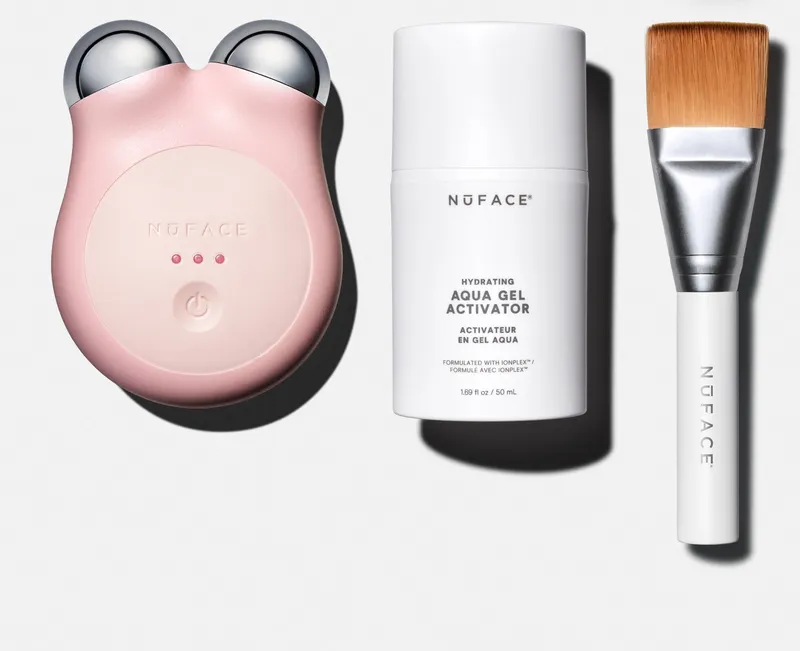 Image: NuFACENuFACE MINI+ Image: NuFACENuFACE MINI+ | Microcurrent | 3 intensities | 5 min/day, 5x/week for 60 days, then 2–3x/week | Gel activator (included) | NuFACE says FDA-cleared; NuFACE Mini cleared K191672 | $250 kit |
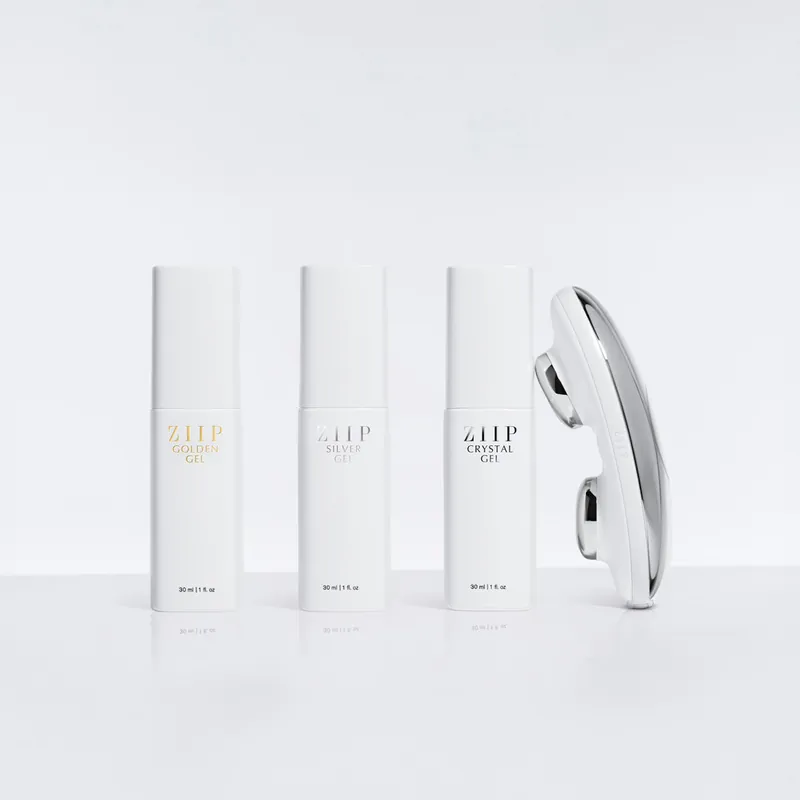 Image: ZIIPZIIP HALO Image: ZIIPZIIP HALO | Microcurrent + nanocurrent | App programs; 4-minute facial without app | Varies by program | Conductive gel | Not stated on page; earlier ZIIP models cleared (K161484, K212342) | $399.99; $475.99 with gel kit |
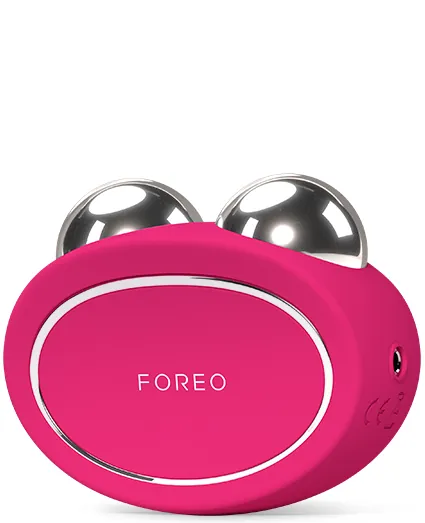 Image: FOREOFOREO BEAR 2 Image: FOREOFOREO BEAR 2 | Microcurrent (4 types) + T-Sonic vibration | 10 levels (6–10 via app “Pro Mode”) | App-guided | Conductive serum required | FDA product code NFO (GUDID); BEAR/BEAR mini cleared K200803 | ~$399 (Target, sold by FOREO) |
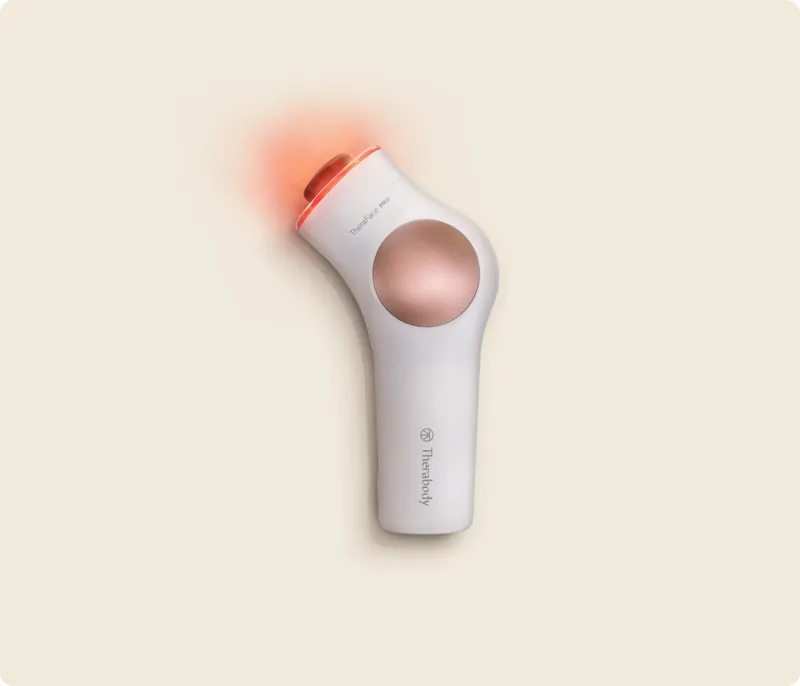 Image: TherabodyTheraFace PRO Image: TherabodyTheraFace PRO | Microcurrent ring + massage, cleansing; LED ring optional | App routines | See manual | Conductive gel for microcurrent | Microcurrent: 510(k) K212238 | $419.99 |
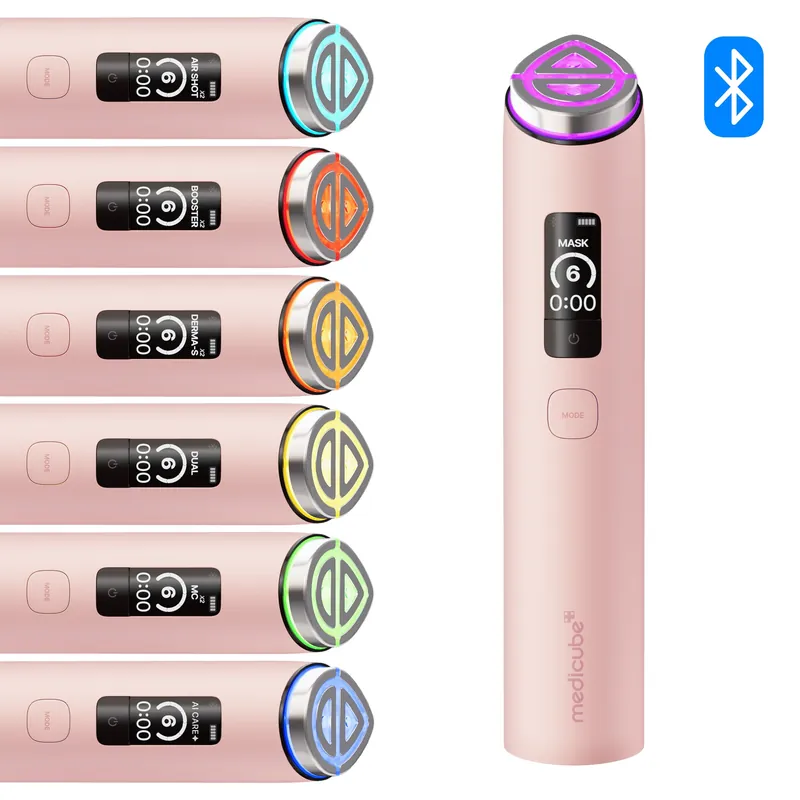 Image: MedicubeMedicube Booster Pro X2 Image: MedicubeMedicube Booster Pro X2 | Multi-mode: electroporation, microcurrent, EMS, LED and more | 7 modes; 6 levels (per Marie Claire) | ~5 min per mode (Byrdie, original model) | None needed (use over skincare) | Class I listing (ISA). Not cleared | $249 ($299 regular) |
Product code NFO is FDA’s Class II category for transcutaneous electrical stimulators for aesthetic purposes. “Class I listing (ISA)” is the therapeutic-massager category, which is exempt from premarket review and is not a clearance. Prices checked October 7, 2026.
How we chose
- Dedicated microcurrent design and published controls (intensity levels, programs).
- Regulatory record: we searched FDA’s 510(k) and device databases for each brand.
- Ease of consistent use: routine length, app requirements and comfort features.
- Ongoing costs: most devices need a conductive gel you’ll keep rebuying.
- Price, warranty and returns.
NuFACE TRINITY+
- Technology
- Microcurrent with three intensities; works with swappable attachments (lip & eye microcurrent, red-light wrinkle reducer)
- In the kit
- Device, Aqua Gel Activator (1.69 oz), Silk Crème Activator, applicator brush, USB-C cable
- Regulatory
- FDA 510(k) K201782 (“NuFace Trinity Plus Device,” product code NFO). The red-light attachment has its own clearance (K212947)
- Price
- $395 starter kit; $595 complete set; attachments $160 each. 2-year warranty, 60-day returns
NuFACE is the category’s reference brand, with FDA clearances going back years and the most complete ecosystem of attachments, gels and app routines. TRINITY+ is the most flexible model. NuFACE’s results claims (for example, 91% saw improved cheek contour) come from consumer questionnaires 15 minutes after treatment, which tells you about the immediate effect, not lasting change.
Pros
- FDA-cleared; long track record
- Attachments expand what it can do
- 2-year warranty
Cons
- Ongoing gel cost
- Attachments add up quickly
- Results need regular upkeep
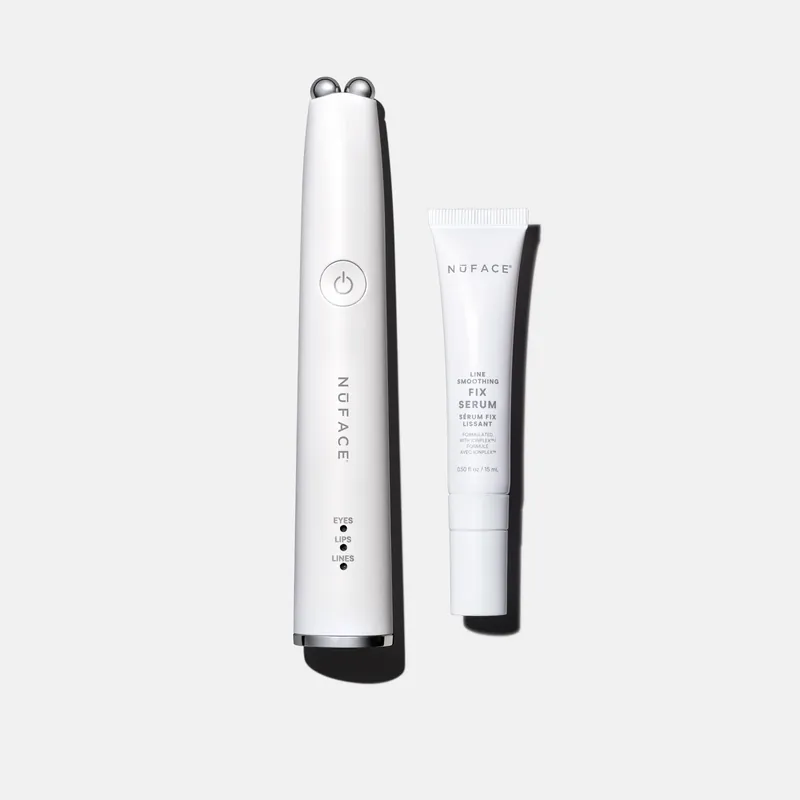
NuFACE MINI+ (and FIX MicroWand)
- Technology
- Microcurrent, 3 intensities; no attachments
- Routine
- 5 minutes a day, 5 times a week for 60 days, then 2–3 times a week
- Regulatory
- NuFACE calls MINI+ FDA-cleared; the NuFACE Mini was cleared under K191672
- Price
- $250 starter kit; 2-year warranty
MINI+ is the sensible way to find out whether you’ll stick with microcurrent before spending more. It covers the face well; you give up the attachments. For fine lines around the eyes and lips only, NuFACE’s pen-shaped FIX MicroWand ($175) is a narrower tool. NuFACE’s FIX devices are cleared under K182424 and K240564.
ZIIP HALO
- Technology
- Microcurrent and nanocurrent; the ZIIP app sends a different waveform for each treatment
- Without the app
- A built-in 4-minute freeform facial
- Regulatory
- The HALO page doesn’t state FDA status. ZIIP holds 510(k)s for its earlier ZIIP (K161484) and ZIIP+ (K212342) devices; we couldn’t confirm which, if any, covers HALO
- Price
- $399.99; $475.99 with Silver Gel kit; $560.99 with Golden Gel kit. 30-day returns, 2-year warranty
ZIIP’s pitch is personalization: specific programs for firmness, tone and other goals, guided in the app by the brand’s founder. ZIIP reports a 28% reduction in the look of wrinkles and a 27% improvement in elasticity from a study it links on the page. It’s a brand-run study, so treat the figures as indicative. The proprietary gels are pricey, so factor in refills.
FOREO BEAR 2
- Technology
- Four microcurrent types; up to 680 µA (FOREO figure); T-Sonic vibration; “Anti-Shock System” that senses skin resistance
- Intensity
- 10 levels: 1–5 on the device, 6–10 via “Pro Mode” in the app
- Medium
- Conductive serum required (FOREO recommends its own)
- Regulatory
- FDA’s device identification database lists BEAR 2 under product code NFO for OTC cosmetic use. FOREO’s clearance for the original BEAR and BEAR mini is K200803
- Price
- About $399 on Target’s listing (sold and shipped by FOREO). FOREO’s own page didn’t show a price to our tools
BEAR 2 suits people who want to start gentle and build up, thanks to its wide intensity range and skin-sensing feature meant to prevent zaps. The higher levels are locked behind the app. FOREO calls it “the world’s most powerful microcurrent device.” Higher current isn’t proven to give better results, so we don’t weigh that claim.
Therabody TheraFace PRO
- Technology
- Percussive facial massage, cleansing ring and microcurrent ring included; LED and hot/cold rings sold separately
- Regulatory
- FDA 510(k)s for TheraFace Microcurrent (K212238) and TheraFace LED (K212155)
- Price
- $419.99 at Therabody; 1-year limited warranty, 30-day returns
If you want one handset for massage, cleansing and microcurrent, TheraFace PRO covers more ground than any dedicated device here. The trade-off is that microcurrent is one attachment among several, so routines are less specialized than NuFACE’s or ZIIP’s.
Medicube AGE-R Booster Pro X2
- Technology
- Seven modes, including microcurrent (MC), EMS, electroporation-style “Booster” and LED
- Medium
- No conductive gel needed, per Medicube
- Regulatory
- Class I listing (ISA, “massager, therapeutic, electric”) under APR Co., Ltd. Not FDA-cleared
- Price
- $249 ($299 regular) at Medicube; a separate $179 promotional listing was also live
Medicube’s device is hugely popular and much cheaper than dedicated microcurrent tools. Its MC mode is one feature among many, and the device isn’t cleared as a microcurrent stimulator the way NuFACE is. Choose it for variety and convenience, not as a like-for-like NuFACE replacement. Our full Booster Pro review has the details, and NuFACE vs ZIIP vs Medicube compares them head-to-head.
What the evidence says about microcurrent
Microcurrent has a plausible rationale and a long history in professional facials, but the published evidence for home devices is thin. Most claims come from brand-run studies or consumer questionnaires, often measured minutes after a session. A 2026 dermatology review of at-home devices groups microcurrent with technologies supported by “small clinical studies” and modest, gradual results (Layne & Weiser, 2026). Wirecutter’s testers, who used several devices for months, picked the NuFACE Trinity+ but reported that results lasted from several hours to about a day (Wirecutter). FDA clearance for these devices concerns safety and equivalence to earlier devices for cosmetic stimulation. It isn’t a finding that they reverse aging.
Buying guide
1. Dedicated or multi-mode?
Dedicated devices (NuFACE, ZIIP, FOREO) focus on microcurrent and are FDA-cleared for it. Multi-mode devices (Medicube, TheraFace) trade depth for variety.
2. Budget for gel
Microcurrent needs a conductive layer every session. Proprietary gels add up, so check refill prices and whether the brand allows alternatives. Wirecutter notes that generic conductive gels work just as well for this purpose. See our guide to gels and serums for facial devices.
3. Comfort controls
If you’re sensitive to tingling, look for low starting intensities or skin sensing. Use plenty of gel.
4. Time commitment
The routine that matters most is the one you’ll keep doing. Five minutes most days is a realistic starting point.
5. Safety
Don’t use microcurrent if you’re pregnant or have a pacemaker or other implanted electronic device, epilepsy or cancer, unless your doctor says it’s fine. Follow the manual on where not to glide; ZIIP, for example, says not to hold stimulation over the temples.
Considering alternatives? How at-home ultrasound compares
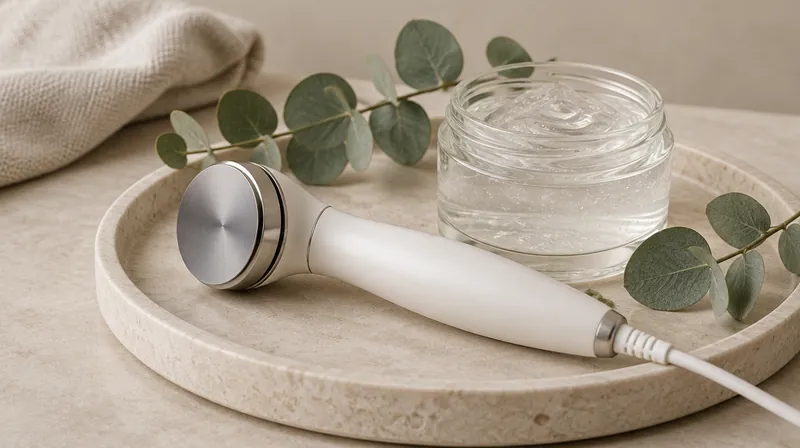
Microcurrent and non-focused ultrasound both use gel and a handheld glide, but they work differently. Microcurrent passes electrical current across the skin and is aimed at a lifted, toned look. Ultrasound sends low-intensity sound waves into the skin. It’s marketed for hydration, texture, absorption and a firmer look over time, and most people barely feel it. Neither has strong independent evidence for lasting anti-aging change. Ultrasound’s best-documented effect is increasing skin permeability (Azagury et al., 2014), and its visible-results data for home devices is mostly brand-run.
Disclosure: GlowLab's publisher, Dalmie LLC, is a US retailer of Quadthera and may earn from sales. Learn more.| Device | Technology | Sensation | Marketed for | FDA status | Price seen |
|---|---|---|---|---|---|
| NuFACE TRINITY+ | Microcurrent | Can tingle, especially with too little gel | Lift, contour, tone | 510(k) K201782 | $395 |
| Quadthera Titan† | Non-focused ultrasound, 1/3/10/19 MHz; titanium head | Barely felt | Hydration, texture, absorption, firmer look | Class I listing (ISA). Not FDA-cleared | $1,100 |
| THOME The Glow Signature | Non-focused ultrasound, 3 + 10 MHz | Gentle | Glow, elasticity, absorption | Class I listing (ISA). Not FDA-cleared | $399 ($329 sale listing) |
† GlowLab's publisher, Dalmie LLC, is a US retailer of Quadthera and may earn from sales. Prices checked October 7, 2026.
When ultrasound may suit you better: microcurrent’s tingle bothers you, your skin is reactive, or you care more about texture, hydration and how well your serums absorb than about a sculpted look. The Quadthera Titan offers the widest published frequency range of the standalone handhelds we found, but it’s expensive. THOME’s dual-frequency devices cost less.
When microcurrent is the better choice: you want an FDA-cleared device, a visible lifted look before events, and a lower price.
Learn more: what is at-home ultrasound skincare? · best at-home ultrasound devices · ultrasound vs LED vs microcurrent for aging skin.
Frequently asked questions
Does microcurrent really work?
Are microcurrent devices FDA-approved?
Do I need a conductive gel?
How long do microcurrent results last?
Who shouldn’t use microcurrent?
Microcurrent vs ultrasound: which is gentler?
Sources
- NuFACE: TRINITY+ Starter Kit product page
- NuFACE: MINI+ Starter Kit product page
- NuFACE: FIX MicroWand product page
- ZIIP: HALO product page (incl. contraindications)
- FOREO: BEAR 2 collection page
- FOREO: BEAR 2 manual
- Target: BEAR 2 listing (sold by FOREO Inc)
- Therabody: TheraFace PRO product page
- Medicube US: Booster Pro X2 product page
- FDA 510(k) database — K201782, K212947, K191672, K182424, K240564, K161484, K212342, K200803, K212238, K212155 checked via openFDA Oct 7, 2026
- AccessGUDID: BEAR 2 device record (product code NFO)
- 21 CFR 882.5890 — Transcutaneous electrical nerve stimulator (incl. aesthetic use, product code NFO)
- Layne MR, Weiser JA. The safety and efficacy of at-home devices for skin care. Facial Plast Surg. 2026
- Wirecutter: The Best Microcurrent Face-Tightening Products and Tools
- Marie Claire: Medicube Booster Pro X2 review
- Byrdie: How do you actually use the Medicube Age-R Booster Pro?
- Azagury A, et al. Ultrasound mediated transdermal drug delivery. Adv Drug Deliv Rev. 2014
- Quadthera Titan product page (our publisher, Dalmie LLC, retails Quadthera)
- THOME The Glow Signature product page